A slow-draining sink might seem like a minor inconvenience, but recurring drain clogs can indicate a deeper problem within your plumbing system.
For homeowners, restaurants, and commercial property managers across Toronto and the GTA, understanding why drains become blocked is the first step toward preventing expensive plumbing repairs.
Let's explore the most common causes of clogged drains and what you can do about them.
1. Grease and Food Buildup
Kitchen drains frequently become blocked when cooking oils, fats, and food particles accumulate inside pipes.
Although grease may enter a drain as a liquid, it can cool and solidify, trapping other debris and restricting water flow.
This is particularly concerning in commercial kitchens and restaurants where large amounts of grease are produced daily.
Prevention tip: Never pour cooking grease or oil down your sink. Dispose of it using appropriate waste containers.
2. Hair and Soap Residue
Bathroom drains commonly become clogged due to accumulated hair, soap residue, and personal care products.
Over time, these materials can form stubborn blockages that prevent water from draining efficiently.
Installing drain strainers and cleaning them regularly can help reduce buildup.
3. Foreign Objects in Pipes
Paper towels, wipes, hygiene products, and other objects can cause significant drain blockages.
Even products marketed as flushable may contribute to plumbing problems.
To reduce the risk of clogs, only flush human waste and toilet paper.
4. Tree Root Intrusion
Underground drain and sewer pipes can develop cracks or openings that allow tree roots to enter.
As roots grow, they can obstruct wastewater flow and potentially damage the pipe.
Recurring backups, slow drains throughout the property, and unexplained sewer issues may indicate an underground drainage problem.
A professional camera drain inspection can help locate the source.
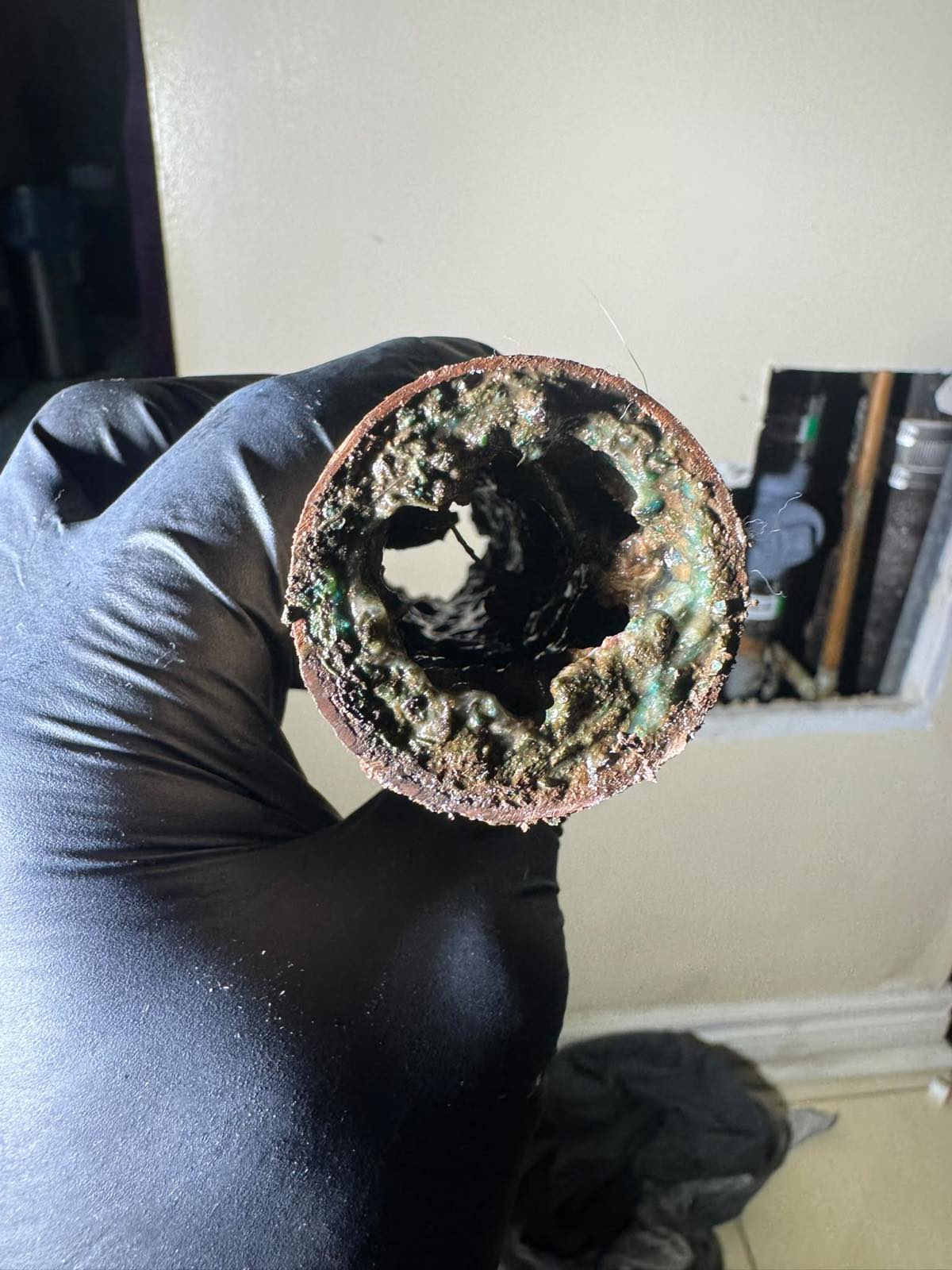
5. Damaged or Aging Pipes
Older plumbing systems may develop corrosion, misaligned joints, or damaged pipe sections.
These issues can trap debris and contribute to recurring clogs.
If the same drain repeatedly becomes blocked despite cleaning, a more detailed inspection may be necessary.
When Is Professional Drain Cleaning Necessary?
Consider contacting a professional plumber when:
- Multiple drains are slow or blocked
- Clogs return shortly after cleaning
- Water backs up into sinks or floor drains
- Unpleasant odours persist
- You hear unusual gurgling sounds from plumbing fixtures
These symptoms can indicate a blockage deeper in the drainage system.
How Professional Drain Cleaning Works
Depending on the cause and location of the blockage, a plumber may recommend several methods.
Drain snaking: A specialized tool helps break through or remove certain blockages within pipes.
Power flushing: Appropriate equipment can help remove accumulated debris and buildup.
Camera drain inspections: A small camera allows technicians to examine accessible drain lines and identify hidden obstructions or damage.
The most suitable approach depends on the pipe condition and the nature of the problem.
Keep Your Drains Flowing With Ridgewood Mechanical
Recurring drain problems shouldn't become part of your daily routine.
Ridgewood Mechanical offers professional drain cleaning, snaking, power flushing, and camera drain inspection services for residential, commercial, and high-rise properties across the GTA.
Whether you're dealing with a blocked kitchen sink or a recurring drainage issue in a commercial building, our team can help identify the problem and recommend an appropriate solution.
Need professional drain cleaning in Toronto or the GTA?
Contact Ridgewood Mechanical at (437) 328-5099 or request plumbing service online.